Knee Pain & ACL Rehabilitation in Vignan Nagar, Bangalore step by step
From everyday knee pain and arthritis to full ACL reconstruction recovery. Honest assessment, milestone-based rehab and proper return-to-sport testing at our Vignan Nagar clinic, Bangalore.
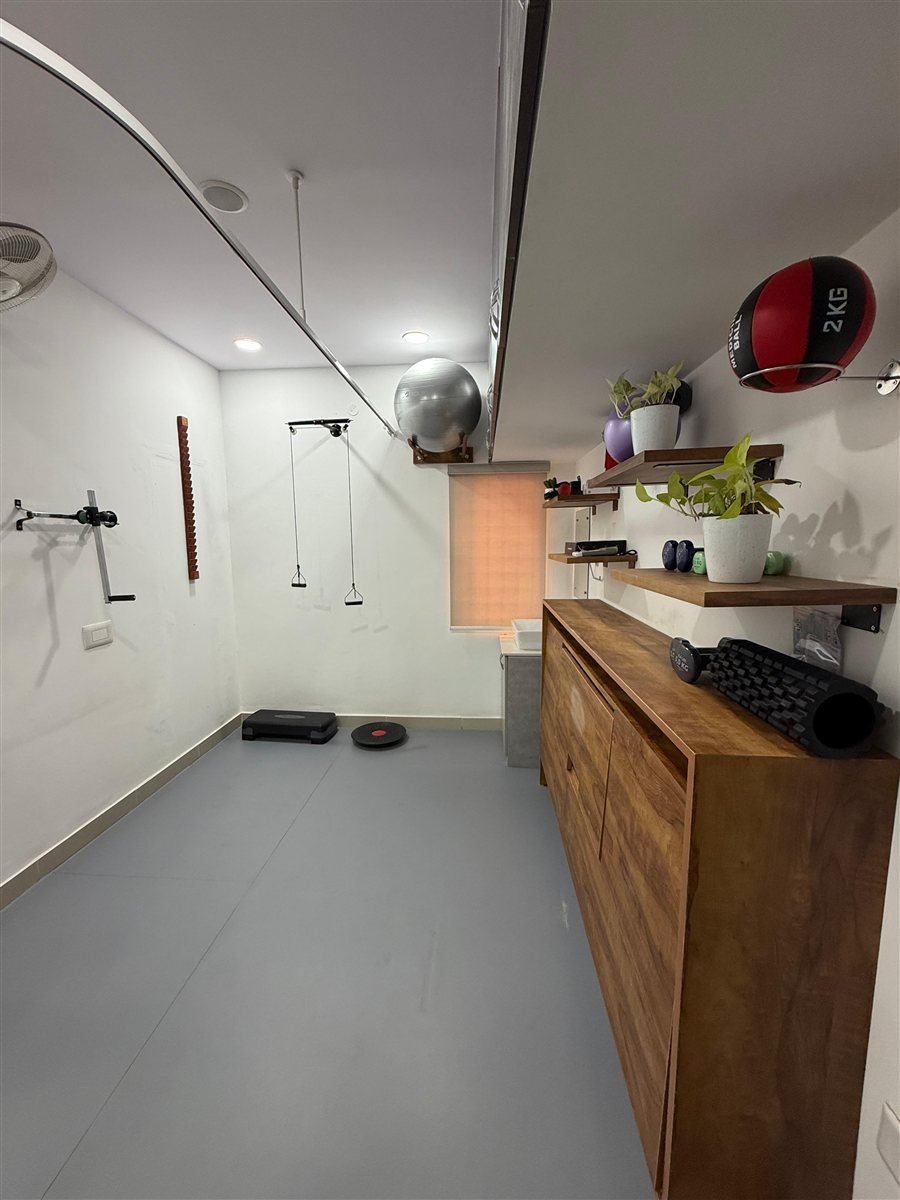
Knee pain and ACL rehabilitation are two of the most requested services at Reflect Physiotherapy in Vignan Nagar, Bengaluru, and for good reason: the knee is the joint that decides whether you can walk, climb stairs, run or play. We treat everyone from older adults with arthritis who want to walk without pain, to young footballers recovering from ACL reconstruction. The plan is different for each, but the principle is the same: a knee gets better when the muscles around it get stronger.
Knee conditions we treat
- Knee osteoarthritis: age-related wear that causes pain on stairs, after sitting and on long walks
- Runner’s knee (patellofemoral pain): pain around or behind the kneecap, common in runners and gym-goers
- Meniscus injuries: cartilage tears that cause clicking, locking or pain with twisting
- Ligament injuries: MCL, LCL and PCL sprains from sport or falls
- ACL tears: both non-surgical rehabilitation and rehab after ACL reconstruction surgery
- Patellar and quadriceps tendinopathy: jumper’s knee from badminton, basketball and volleyball
- Knee stiffness after fracture or surgery: see our post-surgery rehabilitation program
How we rehabilitate ACL injuries
An ACL tear is not the end of your sporting life, but it is a long project. Whether you choose surgery or not, the quality of your rehab decides the outcome more than anything else. Here is how a typical post-surgical program runs at Reflect.
Months 0 to 1: Swelling control and range of motion
The first weeks are about calming the knee down: reducing swelling, achieving full knee extension, bending past 90 degrees, and getting the quadriceps firing again. Walking without crutches usually happens in this window. Patients who nail this stage have a much smoother recovery.
Months 2 to 4: Strength foundation
We progressively load the quadriceps, hamstrings, glutes and calves with resistance exercises, moving from both legs to single-leg work. Stationary cycling and controlled gym work come in here. The target is measurable: your operated leg should be closing the strength gap with the healthy leg month by month.
Months 4 to 6: Balance, running and agility
Once strength benchmarks are met, we reintroduce jogging, then running, then hopping and landing drills. Balance and control under fatigue matter as much as raw strength, because most ACL re-injuries happen when control breaks down, not when muscles are weak.
Months 7 to 12: Return to sport
Sport-specific drills, cutting, pivoting and full-speed work, followed by formal return-to-sport testing. Most athletes are cleared between 9 and 12 months. Here is the honest part: rushing this timeline is the single biggest cause of ACL re-tear. A graft that is loaded too early can fail, and a second reconstruction is always harder than the first. We will not clear you early just because you feel fine, and you should be suspicious of anyone who will.
Not having surgery? A non-surgical ACL program follows the same strength and control milestones over roughly 3 to 6 months. Many patients, especially those who do not play cutting and pivoting sports, do very well on this path. Our sports injury rehabilitation page explains our stage-based testing in more detail.
When should you see a physiotherapist for knee pain?
- Knee pain that has lasted more than two weeks
- Pain on stairs, squatting or after sitting with bent knees
- A knee that clicks, locks or gives way
- Swelling that appeared after a twist or awkward landing
- An MRI report showing a meniscus tear, ligament injury or early arthritis
- You have ACL surgery scheduled and want to prepare, or it is done and rehab has not started
See a doctor first if the knee is grossly swollen and you cannot bear weight at all, or if it is hot, red and painful with fever. These need medical assessment before physiotherapy begins.
Frequently asked questions
Some people do well without surgery, especially partial tears and those who do not play pivoting sports. A structured rehab program builds the muscles to stabilise the knee. We assess your knee, your sport and your goals before recommending either path.
Most athletes return between 9 and 12 months after surgery, after passing strength and hop tests. Returning earlier than 9 months significantly raises the risk of re-tearing the graft, which is why we test rather than guess.
Within the first week. Early physiotherapy controls swelling, gets the knee straightening fully and wakes up the quadriceps. Delaying the start makes every later stage harder.
Yes. Strengthening the muscles around the knee reduces arthritis pain and improves walking distance in most patients. Physiotherapy is the first-line treatment recommended before injections or replacement surgery.
Not always. A physical assessment identifies most knee problems reliably. If your history and examination suggest a ligament or meniscus tear that changes the treatment plan, we will tell you an MRI is worth doing.
Stop managing the pain. Fix it.
Every week of untreated back pain makes recovery slower. Book an assessment today.
Related Services
Areas We Serve
Knee pain holding you back? Book your assessment.
Book an assessment at our Vignan Nagar clinic or schedule a home visit today.