Shoulder Pain Treatment in Vignan Nagar, Bangalore that restores movement
Frozen shoulder, rotator cuff injuries, impingement and stiffness after a fracture. We diagnose the cause, treat it stage by stage, and get your arm moving again. At our Vignan Nagar clinic in Bangalore or your home.
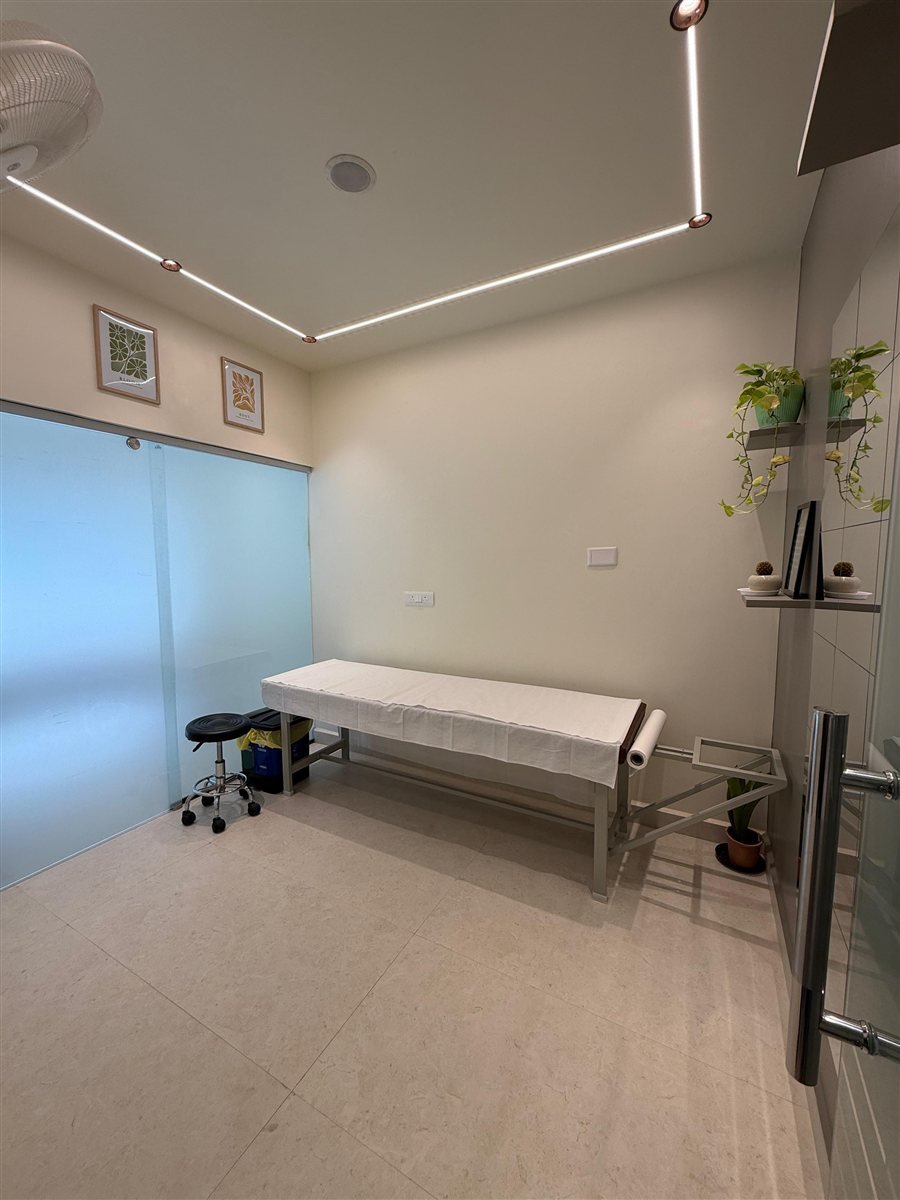
Shoulder pain treatment works best when it starts with an accurate diagnosis, and that is where every case at Reflect Physiotherapy in Vignan Nagar, Bengaluru begins. The shoulder is the most mobile joint in the body, which also makes it one of the easiest to injure and one of the trickiest to self-diagnose. A frozen shoulder, a rotator cuff tear and an impingement can all feel similar in the early weeks, yet each needs a different treatment. Patients often arrive after months of balms, painkillers and waiting for it to settle. The shoulder rarely settles on its own. It stiffens.
Shoulder conditions we treat
- Frozen shoulder (adhesive capsulitis): progressive pain and stiffness, especially common in people with diabetes
- Rotator cuff injuries: tears and tendinopathy of the muscles that stabilise the shoulder
- Shoulder impingement: pain when lifting the arm overhead or reaching behind the back
- Post-fracture stiffness: a shoulder that will not move freely after a fracture or weeks in a sling
- Sports-related shoulder pain: from cricket, badminton, swimming and gym training
- Biceps tendinitis and bursitis
- Shoulder instability: a joint that feels loose or has dislocated before
- Stiffness after shoulder surgery: as part of our post-surgery rehabilitation program
How we treat shoulder pain at Reflect Physiotherapy Clinic in Vignan Nagar, Bengaluru
Shoulder recovery cannot be rushed, but it can be guided. Frozen shoulder in particular moves through distinct stages, freezing, frozen and thawing, and the right treatment in each stage is different. Push too hard too early and the pain worsens. Do too little and the stiffness sets in. Our staged approach gets the balance right.
Step 1: Assessment and diagnosis
We test your shoulder’s range of movement, strength and movement patterns, and use specific clinical tests to identify which structure is at fault. We also check related factors such as diabetes, neck involvement and posture, and review any scans you bring. You leave knowing what the problem is and what recovery realistically looks like.
Step 2: Pain control and protecting the joint
Early treatment focuses on calming the pain so the shoulder can be worked with. We use manual therapy, gentle mobilisation, soft tissue release and electrotherapy where appropriate, along with positions and movements that let you sleep and dress without wincing.
Step 3: Restoring movement
As the pain settles, we progressively stretch the joint capsule and mobilise the shoulder to win back range, degree by degree. For frozen shoulder this is the longest stage, and steady weekly progress matters more than speed. We track your range at every session so you can see the improvement yourself.
Step 4: Strength and return to activity
A mobile shoulder still needs strength to stay healthy. We rebuild the rotator cuff and shoulder blade muscles with a graded program, then prepare you for the demands of your sport, gym routine or daily work. Athletes continue into our sports injury rehabilitation program for a safe return to play.
When should you see a physiotherapist for shoulder pain?
Book an assessment if any of these apply:
- Shoulder pain lasting more than two weeks
- Growing difficulty reaching overhead, behind your back or across your body
- Night pain that wakes you when you roll onto that side
- A stiff shoulder after a fracture, sling or surgery
- You have diabetes and your shoulder is becoming painful and tight
- Pain during your sport, gym sessions or overhead work
- A scan report mentioning rotator cuff tear, tendinosis or capsulitis
Call emergency services first if shoulder or arm pain comes with chest pain, pressure, breathlessness or sweating. These can be signs of a heart problem, not a joint problem, and need immediate medical care.
Frequently asked questions
Frozen shoulder recovers in stages and typically takes 3 to 9 months with regular physiotherapy. That sounds long, but treatment shortens each stage considerably and keeps you functional throughout. Untreated, it can drag on for two years or more.
High blood sugar affects the collagen in the shoulder capsule, making it more likely to thicken and tighten. People with diabetes are several times more likely to develop frozen shoulder, and we screen for this at assessment.
Many partial tears and most cases of tendinopathy do very well with structured strengthening, without surgery. Large or complete tears in younger, active patients may need surgical repair, and we refer honestly when that is the case.
Keep moving it within a comfortable range. Complete rest is one of the fastest routes to a stiff shoulder. The right amount and type of movement depends on your condition, which is exactly what your assessment establishes.
Yes. We provide home physiotherapy for shoulder conditions across Vignan Nagar, Kaggadasapura, CV Raman Nagar, Malleshpalya, New Thippasandra and nearby East Bangalore areas.
Stop managing the pain. Fix it.
Every week of untreated back pain makes recovery slower. Book an assessment today.
Related Services
Areas We Serve
Shoulder not moving like it should? Book your assessment.
Book an assessment at our Vignan Nagar clinic or schedule a home visit today.